
Video is at the heart of this transformation. What once required complex software, long production cycles, and specialized skills can now be achieved in minutes with the help of an AI video generation model. These models aren’t just making video production easier, they are changing the way static images transform into engaging, moving stories.
Akool’s technology is at the forefront, demonstrating how far AI has come.
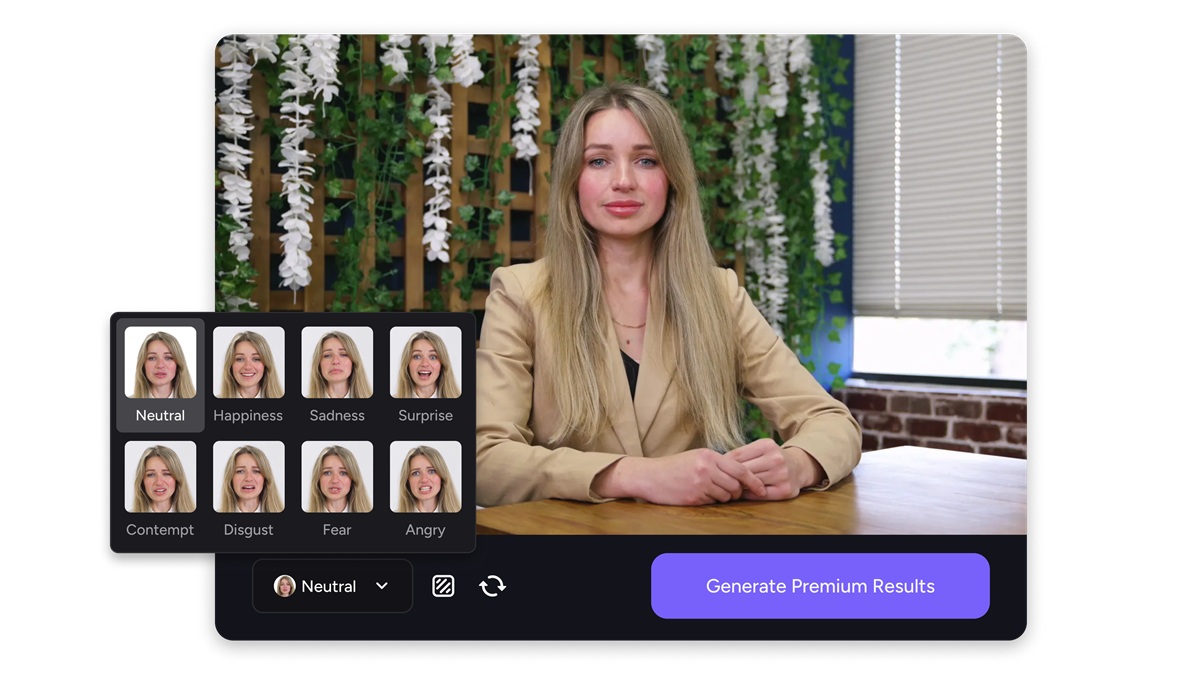
Image credit: akool.com
From static images to live visuals
Traditional video production starts with footage. The advanced AI workflow starts with something much simpler: an image. The Akool Video Model is created to convert static images or illustrations as well as design assets into videos that feel natural. It does not employ standard animations, but instead adds depth, motion and texture to the image while preserving its integrity.
This is especially useful for teams that already have large libraries of images. It is possible to repurpose images from product launches, artwork, brand visuals and other images into engaging videos, and not have to shoot again. This can save time and money as well as increasing your creative output.
Motion Control with Precision for Cinematic Effects
Control is among the most essential qualities of an experienced AI video model. Random animation is often a barrier to the sense of. The latest technology allows creators to control the way elements within the frame move within the context of speed, direction, and direction, creating a smoother, cinematic output.
Creators can use precision motion controls to create motions with character and camera that are more natural than those created by automated. This level of precision helps AI-generated videos seamlessly integrate into professional presentations, marketing campaigns and digital storytelling formats.
It is possible to speed up without sacrificing quality
Speed is often a sign of compromise, but new AI systems challenge this notion. The latest AI video generation technology can produce high-resolution clips while maintaining sharpness. color accuracy and visual stability. AI video creation is practical due to the balanced between quality and efficiency.
Iteration in social media as well as marketing environments is crucial because trends shift quickly. Brands and creators gain a advantage in the marketplace by being able to test ideas and adjust images quickly, as well in publishing content.
Trust is built on consistency
Consistency has always been a major issue when it comes to AI video production, especially when characters or other people are involved. Akool AI models solve this issue by preserving facial identities, expressions, and even the alignment of characters throughout the video. This consistency results in more convincing videos, and also eliminates visual drift that often results in viewer disengagement.
For situations like brand ambassadors, spokesperson photos or educational content, this consistency is critical. Visuals that have a steady and human feel are more likely for viewers to connect and trust.
Designed for Real-World Workflows
AI video tools perform best when they are seamlessly integrated in creative workflows. The simplicity of video-to-image models specifically designed to be used by professionals is given priority over the performance. Teams can quickly adopt AI video production without extensive training due to the user-friendly interface and quick rendering.
Beyond the individual creators, these systems foster collaboration and encourage creativity. Community-driven communities allow users to explore examples, learn new methods, and push limits of creativity using the same ideas.
A New Standard for Visual Storytelling
AI video production has gone beyond being a novelty. It’s becoming a tool used to create content for the 21st century. AI models of the present combine the power of imagination, realism, and speed, allowing for the expansion of what is feasible with existing resources.
Models like the Akool model show how AI is growing and is moving towards more efficient, accessible and intelligent video creation. The future of visual storytelling doesn’t just about creating motion it is about empowering creators to turn ideas into engaging experiences faster and more effectively than they have ever.